
- Status
- Critically Endangered (IUCN)
- Where
- Trang An Scenic Landscape Complex, Ninh Binh Province, Vietnam
- Focus
- Preparing a reintroduction
Why Trang An
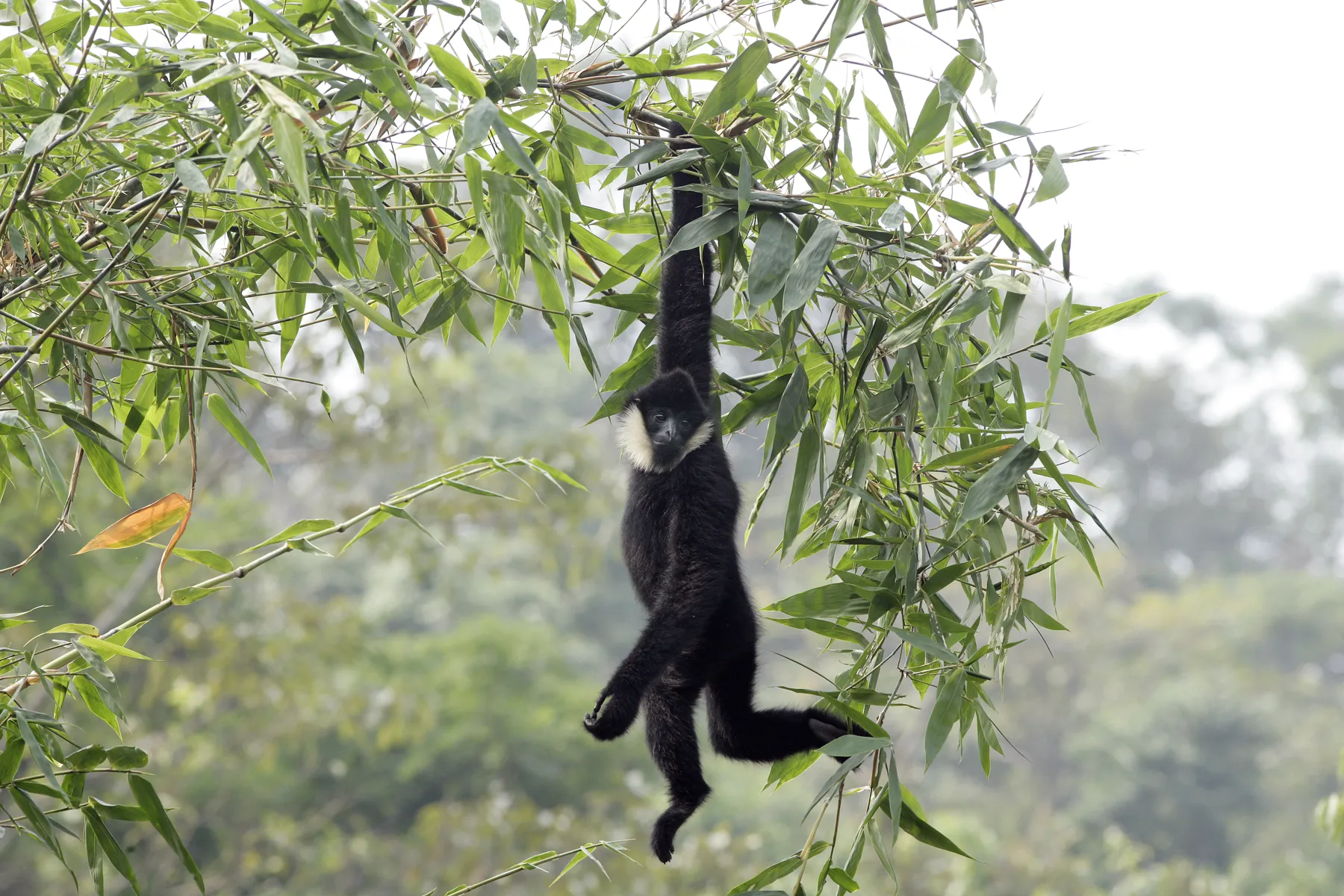
Gibbons once lived in Trang An, until hunting wiped them out, probably around the 1960s. The area lies within the species’ natural range and has the highest level of legal protection in Vietnam, with around 6,000 hectares of forest and limestone: in the long run, enough for a viable population.
The plan
Following the IUCN best-practice guidelines for gibbon translocations, the reintroduction would start with a single breeding pair, screened for genetics, health and behaviour. The pair would be soft-released from a holding facility near the ranger station that already looks after the langurs, then followed with radio collars and thermal drones. If they settle, further pairs could follow. With around 1.5 million visitors a year, Trang An would also be a unique place to introduce people to gibbons and their songs.
Assessing the habitat
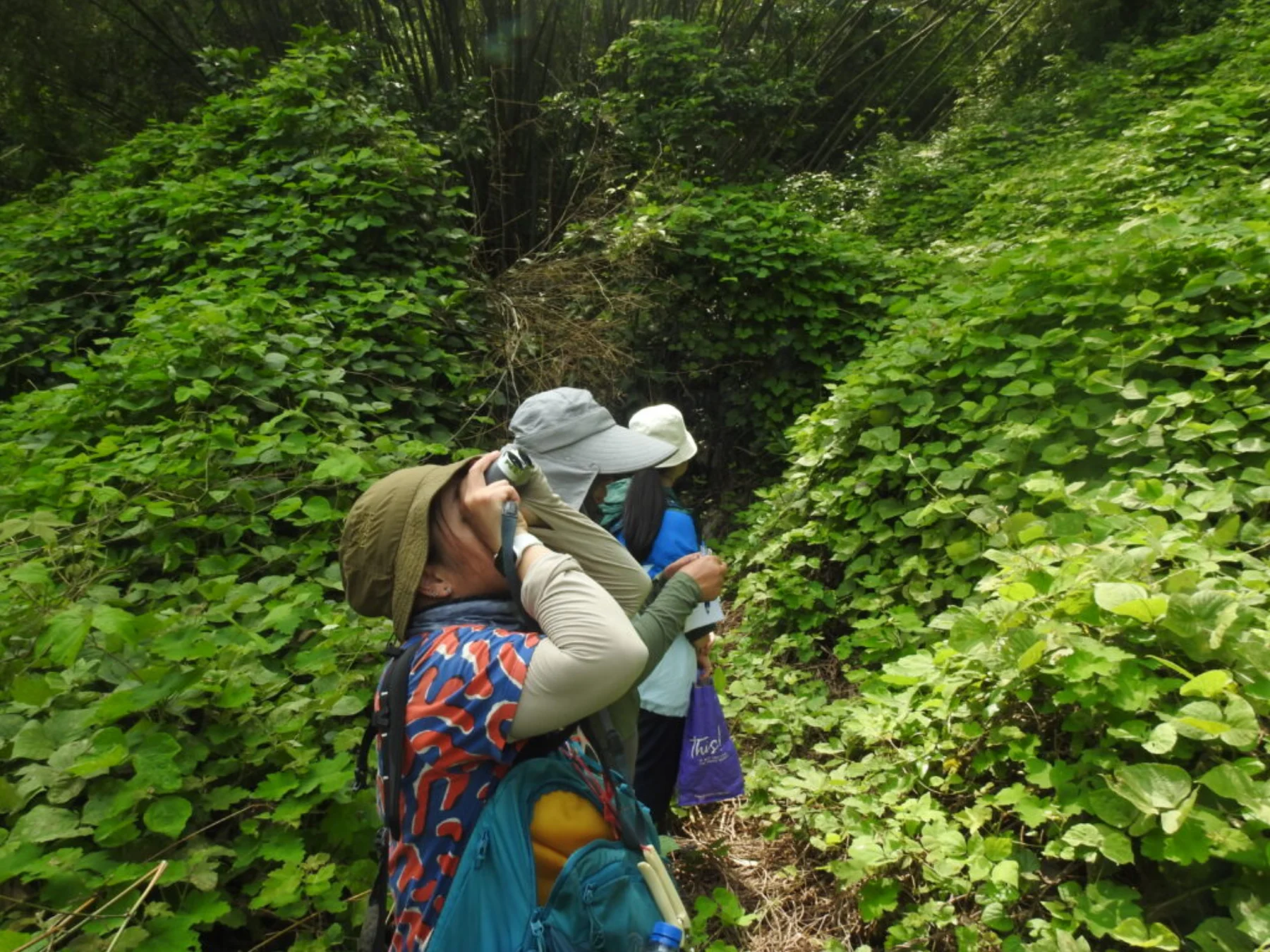
A gibbon needs a tall, continuous forest canopy with enough fruiting trees all year. Together with botanists from the Institute of Archaeology, and with the permission of the provincial authorities, we surveyed the vegetation in areas that could host gibbons. We recorded more than 100 plant species, including important food trees such as figs and the vulnerable Kadsura heteroclita, plus a few plants that may be new records for Vietnam.
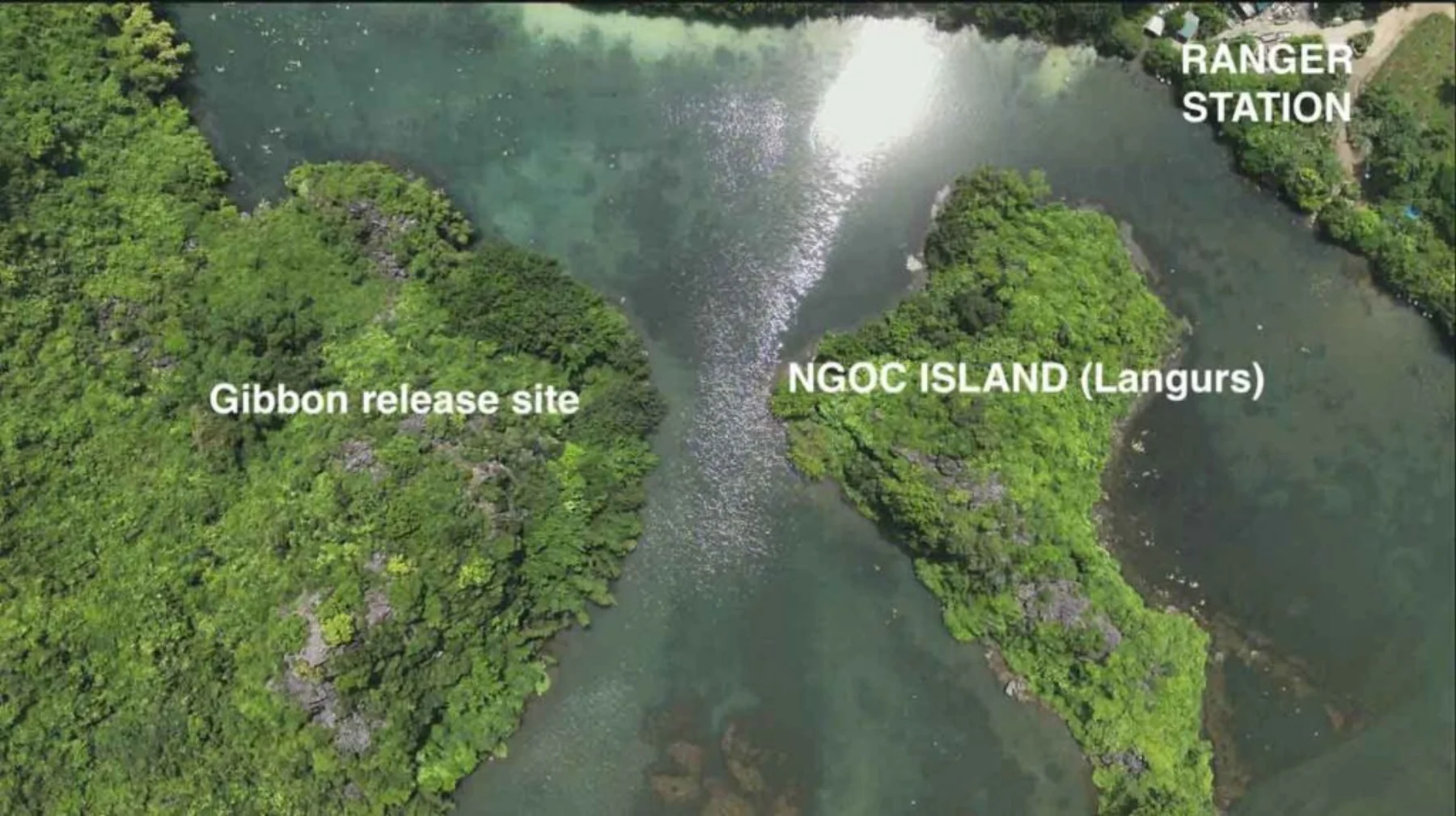
Trang An has already shown it can work as a reintroduction site: the Delacour’s langur group on Pearl Island is doing well.
The full plan is described in our reintroduction proposal. Read the proposal (PDF)